
Burnout is not ordinary tiredness. It is the result of prolonged emotional and mental overload, where rest alone no longer feels enough. You may feel drained, disconnected, irritable, or stuck in survival mode even when life looks “normal” from the outside.
At Manospandana, we offer burnout counselling and therapy to help individuals recover from chronic stress, regain emotional balance, and rebuild a sustainable way of living.
Support is available through:
In-person burnout counselling in Bangalore
Secure online therapy for clients across India and worldwide
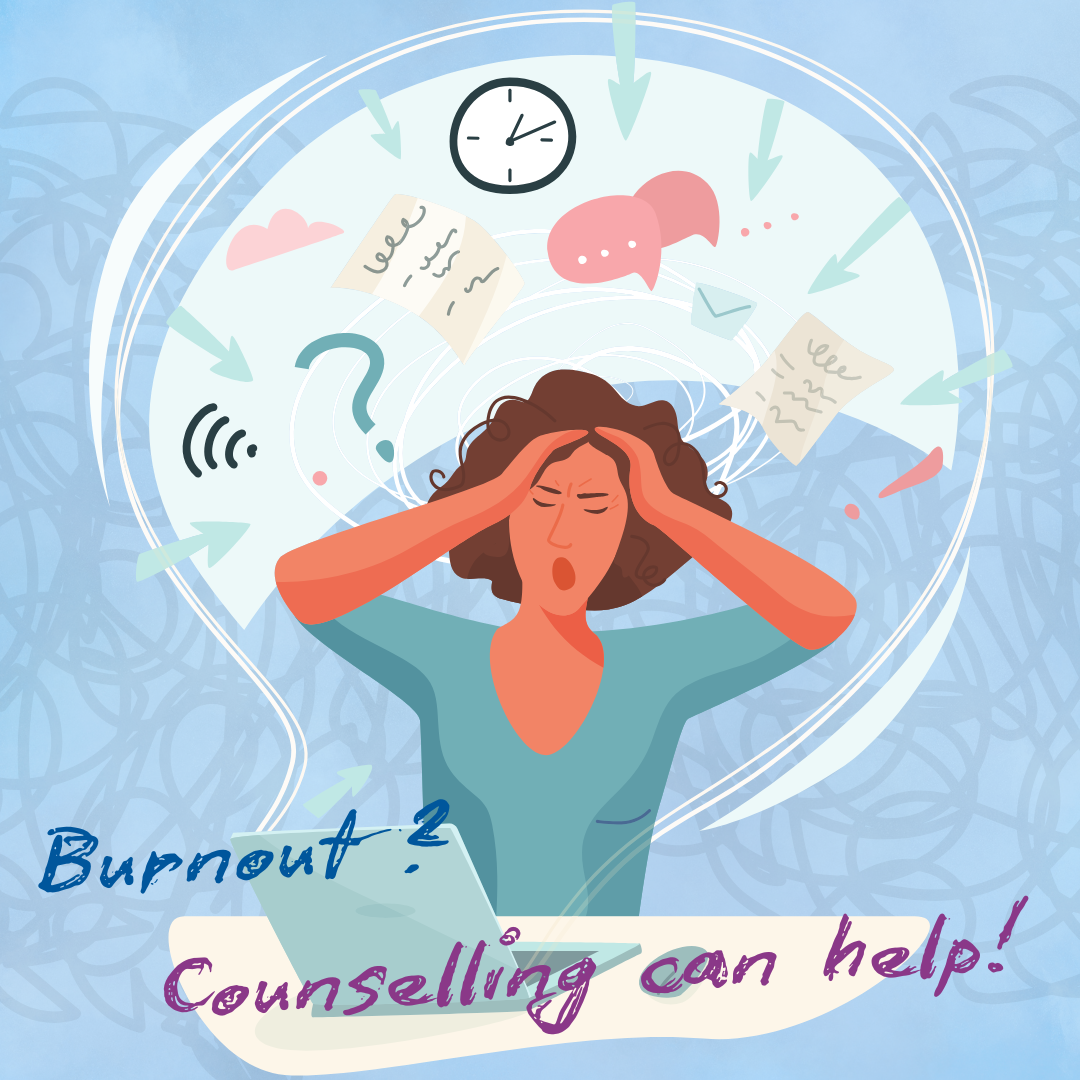
Burnout develops slowly. It often begins with responsibility, commitment, and the desire to do well. Over time, when demands exceed emotional capacity and recovery is delayed, the system starts to shut down.
Burnout may show up as:
Emotional exhaustion that does not improve with rest
Feeling detached, numb, or indifferent
Loss of motivation or meaning
Reduced efficiency despite working harder
A sense of being “used up” or empty
Burnout is rarely caused by a single factor. It usually develops when stress becomes constant and boundaries disappear.
Common contributors include:
Prolonged work pressure or unrealistic expectations
Lack of control, recognition, or support
Caregiving responsibilities without emotional relief
Chronic people-pleasing or perfectionism
Blurred work life boundaries
Long-term emotional suppression
Burnout does not stay limited to work or responsibilities. It often spills into personal life in subtle but painful ways.
People experiencing burnout may:
Withdraw emotionally from loved ones
Feel easily irritated or emotionally flat
Struggle with communication or empathy
Lose interest in connection or intimacy
Feel guilty for not “being themselves”
Burnout and Depression can look similar, but they are not identical.
Burnout is usually linked to specific roles or life situations such as work, caregiving, or academic pressure. Symptoms may reduce when stressors are addressed.
Depression tends to affect all areas of life, including self-worth, mood, and interest in living, even when circumstances improve.
Because symptoms can overlap, professional assessment is important to determine the right kind of support.
Burnout counselling focuses on recovery, regulation, and rebuilding, not pushing you to perform more.
Therapy at Manospandana helps you:
Understand how burnout developed in your life
Identify emotional and practical overload patterns
Rebuild boundaries without guilt
Learn stress regulation and emotional recovery skills
Restore motivation and mental clarity
Create a sustainable rhythm for work and life
Burnout therapy is tailored to the individual rather than the role.
Depending on your needs, therapy may include:
Cognitive Behavioural Therapy to address pressure-driven thinking
Mindfulness-based interventions to reduce mental fatigue
Emotional regulation strategies for chronic stress
Values and boundary work to prevent relapse
Relational work when burnout affects family or partnerships
When burnout is severe, even attending sessions can feel exhausting. Our online burnout counselling allows you to receive professional care without additional strain.
Online therapy supports:
Working professionals with demanding schedules
Caregivers and parents with limited flexibility
Students facing academic exhaustion
NRIs seeking culturally sensitive support
Burnout requires understanding, not pressure.
What makes our approach different:
14 plus years of clinical experience
Qualified, compassionate therapists
Non-judgmental and emotionally safe environment
Personalised therapy plans
In-person and online accessibility
Focus on sustainable recovery, not quick fixes
Burnout frequently overlaps with:
Emotional numbness or irritability
Therapy helps address these patterns together rather than in isolation.
You do not have to wait until you completely collapse to seek support.
If you feel emotionally drained, disconnected, or stuck in survival mode, help is available.
Support is available whether you are in Bangalore or anywhere in the world.
Burnout is a state of emotional, mental, and physical exhaustion caused by prolonged stress. Unlike regular tiredness, burnout does not improve with rest alone and often includes feelings of detachment, low motivation, and reduced effectiveness in daily life.
Burnout is usually caused by prolonged stress without adequate recovery. Common causes include excessive workload, lack of control or recognition, emotional exhaustion, poor work-life boundaries, caregiving stress, and ongoing pressure without support.
Burnout symptoms include emotional exhaustion, lack of motivation, feeling detached or numb, irritability, reduced productivity, difficulty concentrating, and a sense of being overwhelmed or “used up.”
Recovering from burnout involves reducing stress, rebuilding boundaries, improving rest and recovery, and addressing emotional exhaustion. Therapy can help individuals understand burnout patterns and develop sustainable coping strategies.
Recovery time varies depending on the severity of burnout. Some individuals begin to feel better within a few weeks with support, while others may need longer-term therapy to rebuild emotional balance and prevent relapse.
Yes. Burnout can contribute to anxiety, emotional numbness, irritability, and even depression if left unaddressed. Early support helps prevent long-term mental health challenges.
Burnout and depression can feel similar but are not the same. Burnout is usually linked to specific stressors like work or caregiving, while depression affects overall mood, motivation, and interest in life regardless of circumstances.
Burnout counselling helps individuals understand the root causes of chronic stress, identify overload patterns, rebuild healthy boundaries, and develop emotional regulation skills. Therapy focuses on long-term recovery and creating a sustainable balance between responsibilities and well-being.
Yes. Online burnout counselling offers the same therapeutic support as in-person sessions. It allows individuals to access professional help from their own space, which can be especially helpful when burnout makes travel or scheduling difficult.
You may need burnout counselling if you feel constantly exhausted, emotionally drained, disconnected from work or relationships, unmotivated, or overwhelmed even after rest. If stress is affecting your daily functioning, therapy can help.
Stress usually involves feeling overwhelmed but still engaged, while burnout involves emotional exhaustion, detachment, and reduced motivation. If you feel drained, disconnected, and unable to recover even after rest, it may indicate burnout rather than temporary stress.
 Optimized by Seraphinite Accelerator