Stress management is the ability to recognise stress early, understand how it affects your mind and body, and respond in healthier, more supportive ways. Stress itself is not the problem. It is a natural response to pressure, responsibility, or change. The problem arises when stress becomes constant, overwhelming, or ignored.
Many people live with stress for years without realising how deeply it is affecting them. It often shows up quietly through fatigue, irritability, poor sleep, emotional numbness, or a constant sense of pressure to keep going.
Learning how to manage stress is not about avoiding responsibilities or becoming less productive. It is about building resilience, restoring balance, and giving your nervous system the recovery it needs.
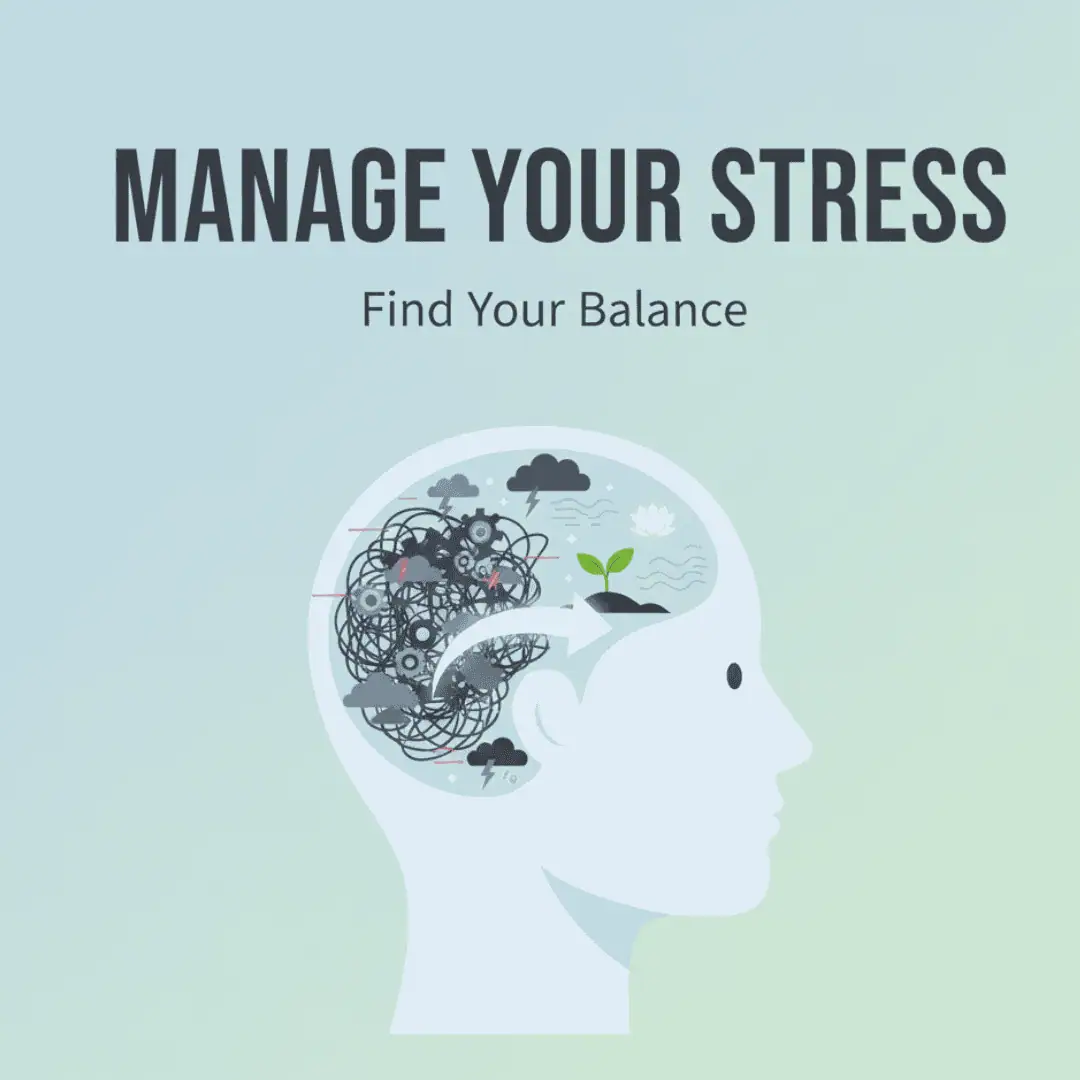
When stress remains unchecked for long periods, it does not stay limited to your thoughts. It gradually affects your emotions, behaviour, physical health, and relationships.
Unmanaged stress may contribute to:
Sleep disturbances, insomnia, or waking up feeling unrested
Emotional reactivity, irritability, or frequent mood changes
Difficulty concentrating, forgetfulness, or mental fog
Headaches, muscle tension, jaw clenching, or stomach issues
Reduced immunity and frequent illnesses
Burnout, emotional exhaustion, or loss of motivation
Over time, chronic stress can increase the risk of anxiety, depression, and physical health concerns.
Effective stress management helps you:
Regulate emotions more calmly
Improve focus and productivity without constant pressure
Feel more present and connected in relationships
Protect long-term mental and physical health
Respond to challenges instead of reacting automatically
Stress can come from many areas of life, and often multiple stressors overlap at the same time.
Common causes of stress include:
Work pressure, deadlines, workload, or job insecurity
Academic stress, exams, or performance expectations
Relationship conflicts with partners, family, or colleagues
Caregiving responsibilities and emotional labour
Financial uncertainty or debt-related worries
Major life changes such as relocation, loss, or transitions
Health concerns, either personal or related to loved ones
Poor sleep routines and constant digital exposure
Stress does not always feel intense or dramatic. Many people do not realise they are stressed until their body or emotions begin sending signals.
Common stress symptoms include:
Racing thoughts or constant mental overthinking
Feeling tired but unable to rest or relax
Emotional numbness, irritability, or withdrawal
Tightness in the neck, shoulders, chest, or jaw
Headaches, digestive discomfort, or body aches
Changes in sleep patterns or appetite
Reduced interest in things you once enjoyed
Recognising these signs early is one of the most important steps in stress management.
Managing stress involves recognising early signs, understanding triggers, and using practical techniques to regulate your mind and body. Simple strategies such as mindful breathing, setting boundaries, improving sleep, and taking regular breaks can help reduce stress and restore balance.
Stress management works best when immediate relief techniques are combined with long-term lifestyle changes.
Slow, deep breathing activates the body’s relaxation response. Simple grounding exercises help calm the nervous system and reduce stress hormones.
Mindfulness helps you notice stress without becoming overwhelmed by it. Staying present reduces overthinking and emotional reactivity.
Gentle movement such as walking, yoga, or stretching helps release stored tension and improves mood through natural endorphins.
Learning to prioritise tasks, set realistic expectations, and say no when needed reduces chronic overwhelm.
Adequate sleep, balanced nutrition, hydration, and reduced caffeine support emotional regulation and stress recovery.
Journaling, talking to trusted people, or engaging in creative activities allows stress to be processed rather than suppressed.
You do not need a complete life overhaul to manage stress better. Small, consistent actions create meaningful change.
Helpful daily practices include:
Starting the day with calm breathing instead of rushing
Taking short breaks during work to reset your mind
Reducing multitasking and digital overload
Maintaining a consistent sleep and wake routine
Engaging in relaxing or enjoyable hobbies
Sometimes stress becomes persistent or overwhelming despite self-help strategies. This does not mean you are failing. It often means that stress has deeper emotional roots or has been present for too long.
You may benefit from professional support if stress:
Interferes with daily functioning
Feels constant, intense, or uncontrollable
Affects mental health, relationships, or work
Leads to burnout, anxiety, or emotional numbness
In such cases, therapy offers structured guidance and emotional support.
Stress management is a skill that grows with practice, patience, and support. By understanding the causes, symptoms, and techniques, you give yourself the opportunity to respond to life with greater balance and resilience.
If stress feels heavier than you can manage alone, seeking help is not a weakness. It is a healthy and proactive step toward well-being.
Stress management is the practice of using strategies and techniques to reduce emotional and physical tension. It focuses on identifying stress triggers, developing healthier responses, and maintaining balance in daily life. While self-help methods can be effective, structured stress therapy and counselling offer deeper, personalised solutions.
Effective stress management improves emotional well-being, boosts productivity, and protects your long-term health. Without it, chronic stress can lead to anxiety, burnout, and physical health issues.
Popular and effective techniques include:
Mindfulness meditation
Deep breathing exercises
Physical activity such as yoga or walking
Time management and prioritisation
Building a strong support system
For fast relief, try deep breathing, a short walk, or guided relaxation audio. Even a few minutes of mindful breathing can help reset your mood and calm your nervous system.
You should consider professional support if stress feels constant, affects your sleep or relationships, or causes physical symptoms like headaches or muscle pain. Stress counselling can help you address these challenges in a structured way.
Yes. Consistently practising stress management techniques reduces the likelihood of burnout by keeping emotional and physical strain under control.
Common symptoms include overthinking, fatigue, irritability, sleep problems, body tension, headaches, emotional overwhelm, and difficulty concentrating.
Stress can be caused by work pressure, financial concerns, relationship issues, academic demands, health concerns, and major life changes.
Stress can be reduced naturally through breathing exercises, regular physical activity, mindfulness practices, proper sleep, balanced nutrition, and healthy routines.
Stress duration varies depending on the situation. Short-term stress may resolve quickly, while chronic stress can last for months if not addressed.
Yes. Chronic stress can lead to headaches, muscle tension, digestive issues, sleep disturbances, weakened immunity, and increased risk of long-term health problems.