
Depression is more than occasional sadness or low mood. It is a common yet serious mental health condition that affects how a person thinks, feels, behaves, and functions in daily life. When left unaddressed, depression can impact relationships, work performance, physical health, and overall quality of life.
This guide explains what depression is, its common symptoms, causes, types, and effective ways to manage and treat it—while also helping you understand when professional support is important.
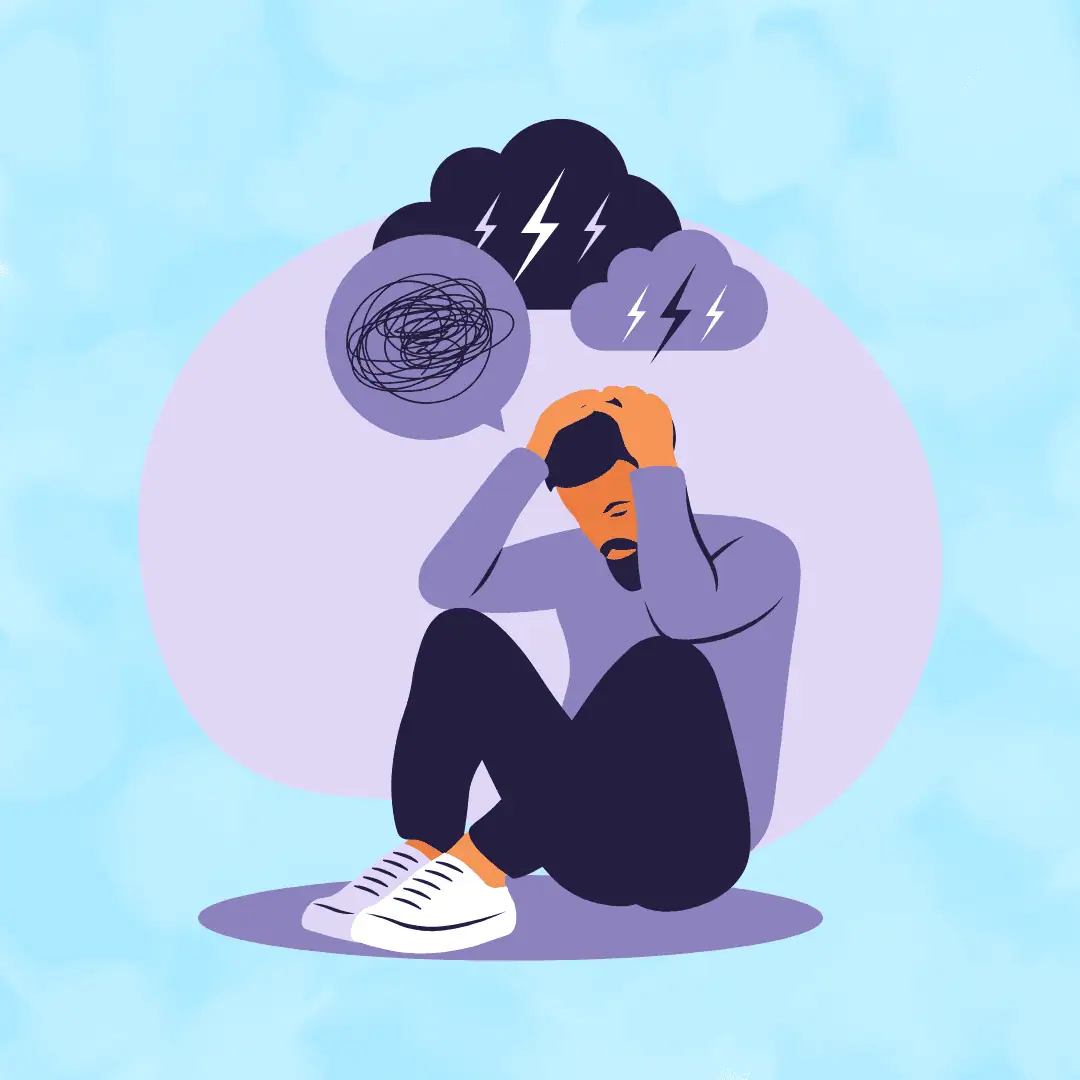
Depression is a mental health condition characterised by persistent feelings of sadness, emptiness, or hopelessness, often accompanied by physical and cognitive changes. Unlike temporary emotional lows, depression tends to last for weeks or months and interferes with daily functioning.
Depression is not a sign of weakness or lack of willpower. It is a treatable mental health condition that benefits from understanding, structured support, and professional care.
Depression symptoms vary in intensity and presentation from person to person. Some experience emotional symptoms predominantly, while others notice physical or behavioural changes first.
Persistent sadness, emptiness, or numbness
Loss of interest or pleasure in activities
Feelings of guilt, worthlessness, or hopelessness
Difficulty concentrating or making decisions
Negative self-talk or excessive self-blame
Fatigue or low energy
Changes in sleep (insomnia or excessive sleeping)
Changes in appetite or weight
Unexplained aches or bodily discomfort
Withdrawal from social interactions
Reduced productivity or motivation
Avoidance of responsibilities
Increased irritability or restlessness
Depression rarely has a single cause. It usually develops due to a combination of biological, psychological, and environmental factors.
Imbalance in brain chemicals (neurotransmitters)
Genetic vulnerability
Hormonal changes
Chronic stress
Low self-esteem
Unresolved trauma or grief
Perfectionism or negative thinking patterns
Relationship conflicts
Work pressure or burnout
Academic stress
Financial difficulties
Major life transitions or losses
Depression can present in different forms, each requiring tailored support.
Characterised by intense depressive symptoms that interfere significantly with daily life for at least two weeks.
A long-term, lower-grade depression lasting two years or more, often accompanied by low self-esteem and fatigue.
Occurs as part of bipolar disorder, where depressive episodes alternate with periods of mania or hypomania.
Depression linked to seasonal changes, commonly during winter months due to reduced sunlight exposure.
Affects some individuals after childbirth, involving emotional overwhelm, sadness, and anxiety.
A severe form of PMS causing intense emotional and depressive symptoms before menstruation.
Includes mood reactivity, increased sleep, increased appetite, and heightened sensitivity to rejection.
Diagnosis typically involves:
Clinical interviews
Psychological assessments
Evaluation of symptom duration and severity
Dealing with depression involves understanding emotional patterns, improving daily routines, and seeking the right kind of support. While small steps such as improving sleep, staying active, and expressing emotions can help, professional counselling often provides structured guidance for long-term recovery.
Managing depression often requires a multi-layered approach rather than a single solution.
Therapy helps individuals:
Understand emotional patterns
Develop healthier coping strategies
Reduce negative thought cycles
Improve emotional regulation
Approaches like CBT, ACT, mindfulness-based therapy, and insight-oriented therapy are commonly used.
In moderate to severe cases, psychiatrists may prescribe antidepressants to support brain chemistry. Medication is often most effective when combined with therapy.
Regular physical activity
Balanced nutrition
Sleep regulation
Mindfulness and relaxation practices
Healthy relationships, support systems, and emotional expression play a crucial role in recovery.
You should consider professional support if:
Symptoms persist beyond two weeks
Daily functioning is affected
Emotional distress feels overwhelming
Self-help strategies are not helping
You experience thoughts of self-harm
Early intervention leads to better long-term outcomes.
Your healing journey is treated with care, dignity, and respect.
At Manospandana, depression counselling focuses on compassionate, evidence-based care tailored to individual needs.
Support is available through:
In-person counselling in Bangalore
Online therapy for clients across India and globally
Depression can feel isolating, confusing, and heavy—but it is not a personal failure. With the right understanding and support, recovery is possible.
If you or someone you care about is struggling, reaching out for help is a powerful first step.
No. Depression is treatable, and many people recover fully with appropriate support.
Some mild symptoms may reduce with lifestyle changes, but therapy helps prevent recurrence and deepening.
No. Medication is not always necessary and depends on severity and clinical assessment.
Depression symptoms include persistent sadness, loss of interest, fatigue, low energy, sleep changes, difficulty concentrating, and feelings of hopelessness or worthlessness.
Depression can result from a combination of biological factors, stress, trauma, relationship challenges, work pressure, and life changes.
Managing depression naturally may involve lifestyle changes such as regular exercise, proper sleep, balanced nutrition, mindfulness practices, and emotional support. However, persistent symptoms may require professional therapy.
Depression can last for weeks, months, or longer depending on severity and support. Early intervention often leads to faster recovery.
Professional help is recommended if symptoms last more than two weeks, worsen over time, or affect daily functioning, relationships, or work.
Mild depression may improve with time and lifestyle changes, but persistent or severe depression usually requires structured support such as counselling or therapy.