Procrastination is often misunderstood as laziness or poor discipline. In reality, procrastination is usually driven by emotional discomfort, fear, or overwhelm rather than a lack of motivation.
Many people want to start tasks but feel stuck, delayed, or mentally blocked. Over time, this can lead to guilt, stress, low confidence, and burnout.
This guide explains what procrastination really is, its common causes and signs, and healthy ways to break the cycle, including when professional support can help.
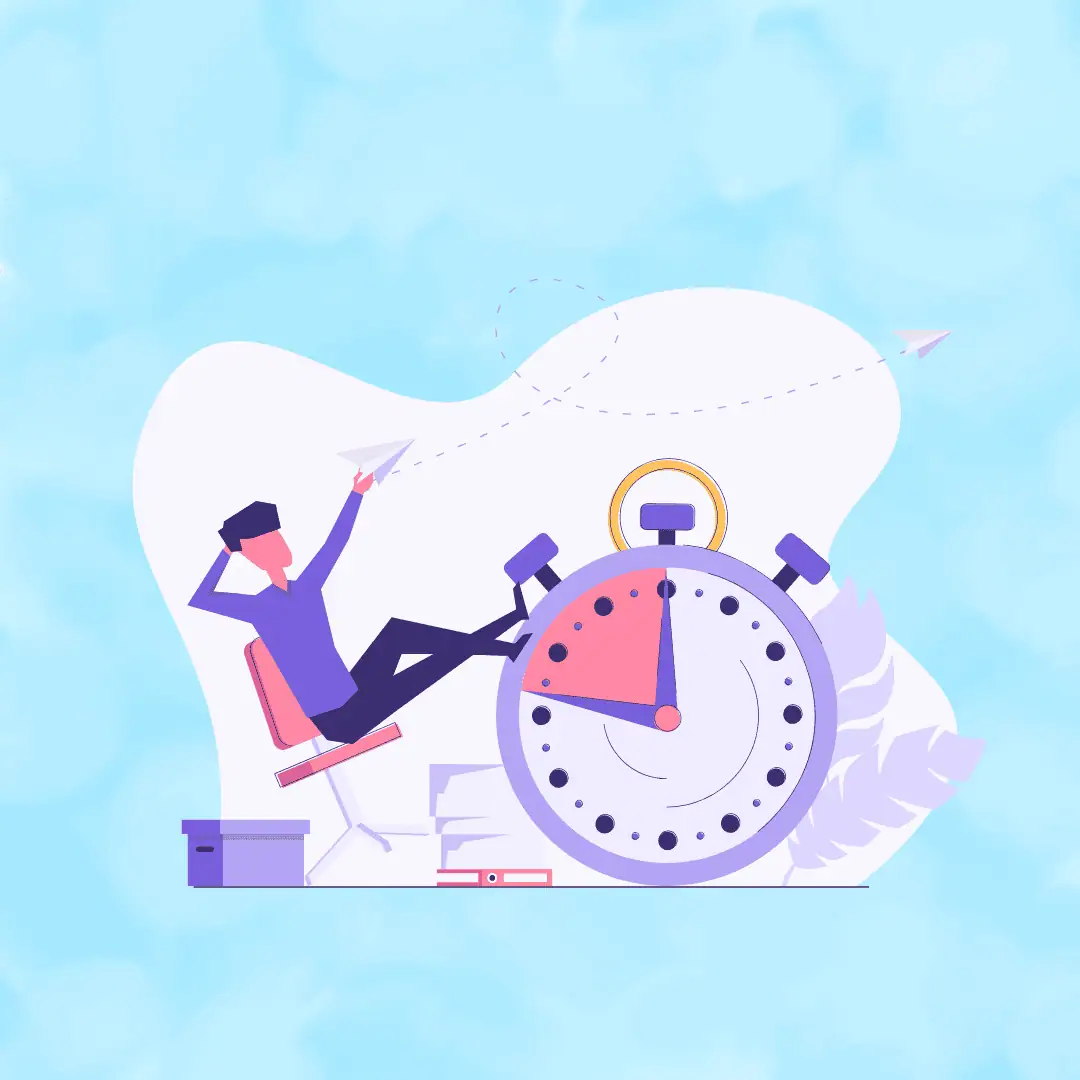
Procrastination is the repeated delay of tasks despite knowing the negative consequences. It is not a time management problem. It is often an emotional regulation challenge.
People procrastinate not because they do not care, but because starting a task triggers discomfort such as:
Anxiety
Fear of failure
Self-doubt
Overwhelm
Shame or pressure
Procrastination rarely has one single cause. It often develops from a mix of emotional, cognitive, and situational factors.
Fear of failure or criticism
Fear of success or high expectations
Anxiety around performance
Shame linked to past experiences
Perfectionism and unrealistic standards
All-or-nothing thinking
Harsh self-criticism
Difficulty prioritising
Overload and unclear goals
Burnout or emotional exhaustion
Lack of structure or boundaries
Constant distractions
Procrastination often follows predictable patterns.
Common signs include:
Repeatedly postponing important tasks
Relying on last-minute pressure to perform
Feeling anxious or guilty after delaying work
Avoiding tasks even when they matter
Spending excessive time on distractions
Feeling mentally exhausted before starting
Laziness is a lack of desire to act. Procrastination is the desire to act paired with emotional resistance.
Most people who procrastinate care deeply about doing well. The delay happens because the task feels emotionally unsafe or overwhelming.
Recognising this difference is key to breaking the cycle.
When procrastination becomes persistent, it can affect multiple areas of life.
Possible effects include:
Increased stress and anxiety
Low self-esteem and self-trust
Burnout and emotional fatigue
Strained relationships
Missed opportunities and dissatisfaction
Breaking procrastination requires addressing emotions, not just behaviour.
Helpful approaches include:
Reducing perfectionism and unrealistic expectations
Breaking tasks into emotionally manageable steps
Creating structure without pressure
Practising self-compassion instead of self-criticism
Understanding emotional triggers behind avoidance
Building consistency rather than intensity
Progress comes from starting gently, not pushing harder.
Sometimes people try multiple tools, planners, and techniques but still feel stuck.
Professional support may help if:
Procrastination feels emotionally overwhelming
Anxiety or fear blocks starting tasks
Guilt and self-criticism are constant
Burnout or stress is present
Patterns repeat despite effort
Counselling focuses on why starting feels difficult and how to change that safely.
At Manospandana, procrastination counselling helps individuals:
Identify emotional blocks behind avoidance
Work through fear, shame, or perfectionism
Build motivation through realistic goals
Develop sustainable routines and structure
Reduce guilt and self-criticism
Regain confidence in taking action
Procrastination is not a personal failure. It is often a signal that something feels emotionally unsafe or overwhelming.
With understanding, compassion, and the right support, the cycle of delay can change. Progress begins not with pressure, but with awareness and care.
Procrastination is usually caused by emotional factors such as fear of failure, perfectionism, anxiety, overwhelm, and self-doubt.
Common signs include delaying tasks, avoiding responsibilities, relying on last-minute pressure, feeling guilty after postponing work, and struggling to start tasks.
This happens because starting a task triggers discomfort such as fear, anxiety, or overwhelm. Avoidance provides temporary relief, which reinforces the cycle.
Stopping procrastination involves breaking tasks into smaller steps, reducing perfectionism, managing emotions, and building consistent habits instead of relying on motivation.
Overcoming procrastination requires addressing emotional triggers, improving self-awareness, building structure, and practising consistency over intensity.
Yes. Procrastination is often linked to anxiety, stress, fear of failure, or emotional overload.
Procrastination itself is not a disorder, but it can be linked to mental health challenges such as anxiety, depression, or ADHD.
Yes. Chronic procrastination can increase stress, anxiety, low self-confidence, and emotional exhaustion over time.