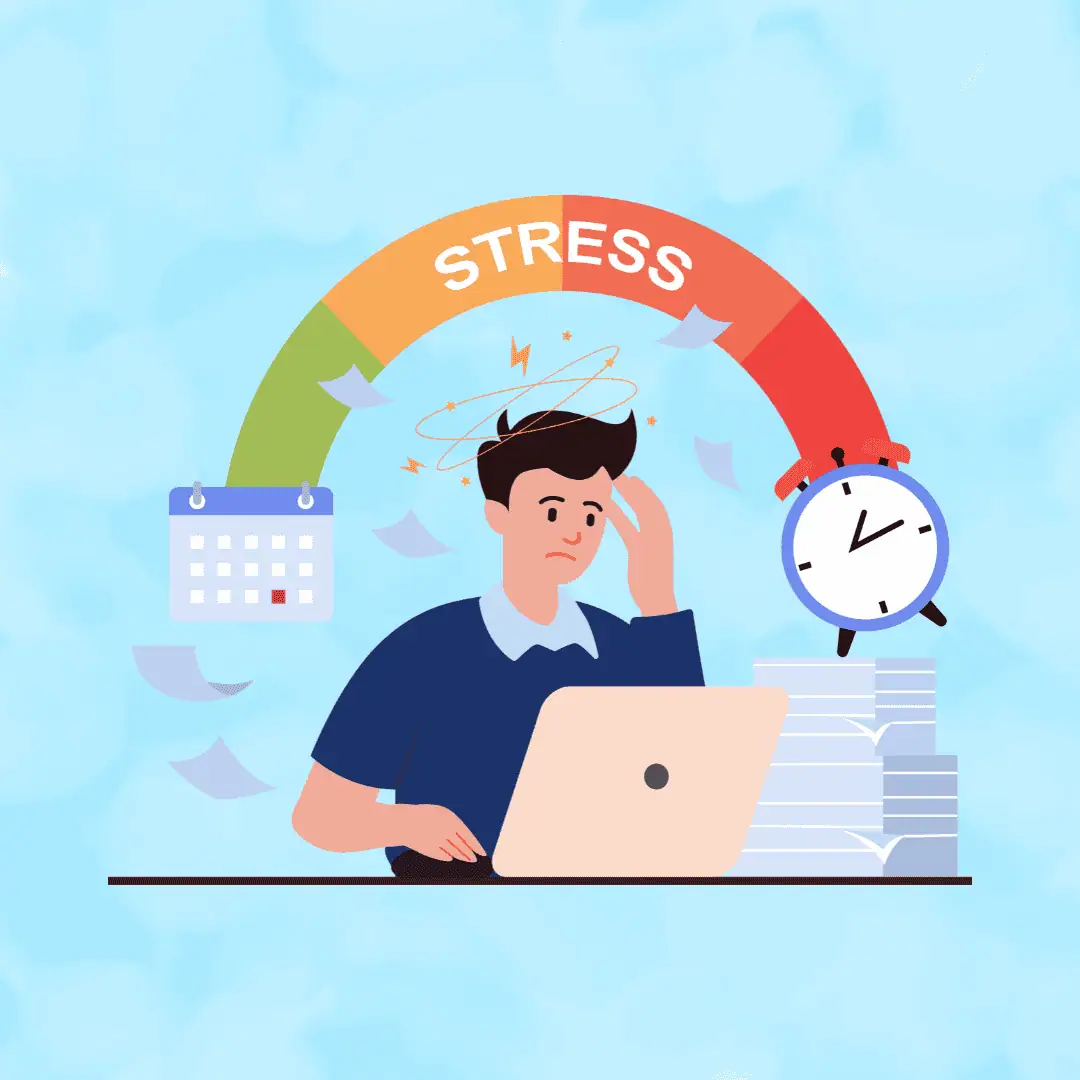
Stress is one of the most common reasons people seek mental health support today. What often begins as manageable pressure can slowly turn into emotional exhaustion, physical discomfort, irritability, and a constant feeling of being overwhelmed.
If stress is affecting your sleep, mood, relationships, or ability to function, it is not a sign of weakness. It is a sign that your system needs care, regulation, and support.
Stress counselling and therapy help you understand what is driving your stress, how it is impacting your mind and body, and how to respond in healthier, more sustainable ways.
Stress is the body’s natural response to demands or challenges. In short periods, it can improve focus and performance. But when stress becomes ongoing or intense, it starts affecting mental, emotional, and physical well-being.
Stress may need professional support when you notice:
Persistent mental fatigue or emotional numbness
Feeling overwhelmed even by small tasks
Difficulty sleeping or constant tiredness
Irritability, anger, or emotional withdrawal
Headaches, body pain, or digestive issues
Reduced motivation or burnout
Stress therapy is not about eliminating responsibilities or problems. It is about strengthening your ability to cope, regulate emotions, and restore balance.
Through stress counselling, you can:
Identify personal stress triggers and patterns
Understand emotional and physical stress responses
Learn effective coping and regulation techniques
Reduce burnout and emotional overload
Improve clarity, decision-making, and focus
Rebuild emotional resilience and stability
At Manospandana, stress counselling is personalised. We recognise that stress looks different for everyone.
Our therapy sessions focus on:
Compassionate and non-judgmental support
Evidence-based therapeutic techniques
Practical tools you can apply in daily life
Emotional safety and confidentiality
Both immediate relief and long-term coping
Stress counselling is helpful if you:
Feel constantly overwhelmed or mentally exhausted
Are experiencing work or career-related stress
Struggle with work-life balance or caregiving pressure
Feel emotionally disconnected or irritable
Are going through major life transitions
Notice signs of burnout or chronic stress
How They Work Together
Stress counselling focuses on emotional support, regulation, and deeper patterns. Stress management focuses on daily tools and habits.
You may choose one format or switch as needed.
You do not have to manage stress alone. Professional support helps you feel calmer, more grounded, and emotionally equipped to handle life’s demands.
Online sessions worldwide | In-person counselling in Bangalore
If you got any queries, call us at +919019918633
Stress therapy is a form of counselling that helps individuals understand the causes of their stress, identify emotional and physical responses, and develop healthier coping strategies. It focuses on reducing overwhelm, improving emotional regulation, and restoring balance.
You should consider therapy if stress feels constant, overwhelming, affects your sleep or health, or interferes with your work, relationships, or daily functioning.
Yes. Online stress counselling offers the same therapeutic approaches as in-person sessions. It provides flexibility, privacy, and accessibility while maintaining professional care standards.
Absolutely. We provide online counselling for Non-Resident Indians (NRIs) who are looking for culturally sensitive mental health support. Our sessions are designed to accommodate different time zones and personal contexts.
The number of sessions depends on the severity and underlying causes of your stress. Some individuals benefit from short-term therapy (4–6 sessions), while others may prefer ongoing support. Your counsellor will guide you based on your unique needs.
Yes. Confidentiality is a core part of our counselling ethics. Whether online or in-person, your personal information and therapy discussions remain private and secure.
Stress can be caused by work pressure, financial concerns, relationship challenges, academic demands, major life changes, or ongoing responsibilities. It often develops when demands exceed your ability to cope or recover.
Common stress symptoms include mental fatigue, irritability, sleep problems, headaches, body tension, difficulty concentrating, emotional overwhelm, and reduced motivation.
Therapy helps individuals identify stress triggers, understand emotional responses, and develop practical coping strategies. It also improves emotional regulation, clarity, and resilience in handling daily challenges.
Yes. Chronic stress can increase the risk of anxiety, depression, burnout, and physical health issues if not managed effectively.
If stress feels constant, affects your sleep, health, or relationships, or leads to burnout, anxiety, or emotional exhaustion, it may require professional support.
Tiredness usually improves with rest, while stress often involves mental overwhelm, irritability, difficulty relaxing, and persistent tension even after rest.