

Burnout is often misunderstood as simple tiredness or a temporary loss of motivation. In reality, burnout is a state of prolonged emotional, mental, and physical exhaustion that develops when stress becomes constant and recovery is repeatedly postponed.
This guide explores what burnout really is, how it shows up, why it happens, and what recovery looks like—along with guidance on when professional support becomes important.
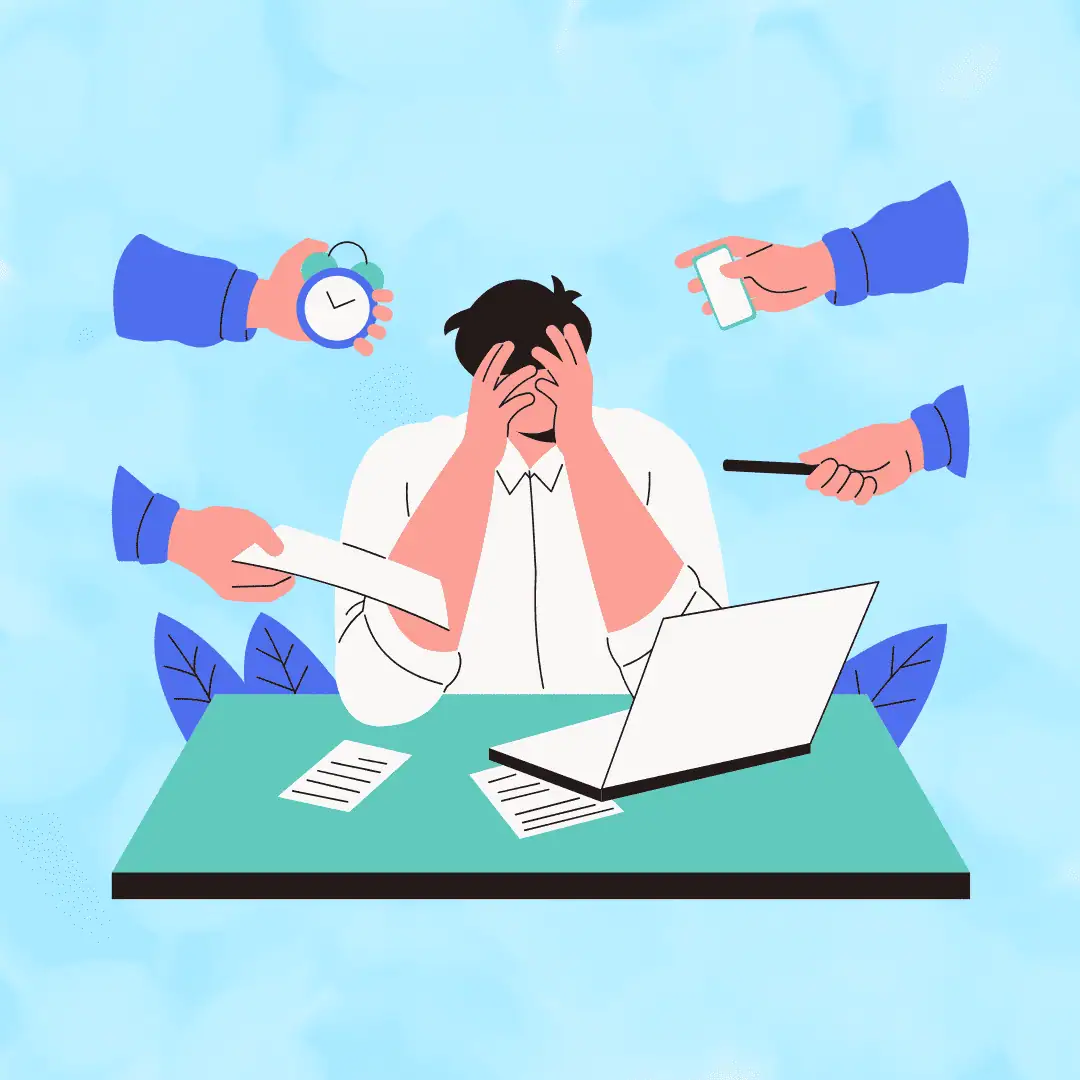
Burnout is not laziness, weakness, or lack of discipline. It is the body and mind’s response to chronic overload without adequate emotional recovery.
Burnout is:
A response to prolonged stress
Often tied to roles and responsibilities
Gradual in onset
Marked by emotional depletion
Burnout is not:
Ordinary tiredness
A temporary bad day
A lack of ambition
Always a mental illness
Burnout affects people differently, but it often involves a mix of emotional, cognitive, physical, and behavioural signs.
Emotional numbness or detachment
Loss of motivation or meaning
Feeling overwhelmed by small tasks
Increased cynicism or irritability
Reduced sense of accomplishment
Persistent fatigue that does not improve with rest
Sleep disturbances
Frequent headaches or body aches
Lower immunity or frequent illness
Withdrawal from work or relationships
Procrastination and reduced productivity
Emotional shutdown or short temper
Avoidance of responsibilities
Burnout usually develops from a combination of external pressure and internal patterns.
Long working hours without recovery
High responsibility with low control
Caregiving without emotional support
Academic pressure or performance stress
Financial or role-related uncertainty
Perfectionism
People-pleasing tendencies
Difficulty setting boundaries
Suppressing emotions to keep functioning
Self-worth tied to productivity
Burnout does not appear suddenly. Early signs are often overlooked or normalised.
Some early indicators include:
Feeling tired immediately after waking up
Loss of enthusiasm for things you once cared about
Increased irritability or emotional sensitivity
Feeling disconnected from your own needs
Using weekends only to recover, not to live
Burnout is commonly confused with stress or depression, but they are not the same.
Stress involves feeling overwhelmed but still emotionally engaged
Burnout involves emotional depletion and detachment
Depression affects mood, self-worth, and interest across all areas of life
Because symptoms overlap, professional evaluation helps determine the right form of support.
Burnout recovery is not about pushing harder or becoming more efficient. It is about restoring balance, boundaries, and emotional safety.
Helpful recovery steps may include:
Reducing chronic demands where possible
Rebuilding rest that actually restores
Learning to set limits without guilt
Reconnecting with values beyond productivity
Addressing emotional suppression
Receiving structured emotional support
Recovering from burnout is not about pushing yourself harder or becoming more productive. It involves slowing down, restoring emotional energy, and rebuilding a healthier relationship with work, responsibilities, and yourself.
Some practical steps to recover from burnout include:
• Reducing ongoing stressors where possible
• Prioritising rest that genuinely restores energy
• Setting clear boundaries in work and relationships
• Reconnecting with activities that bring meaning
• Addressing emotional suppression and mental overload
• Seeking professional counselling when burnout feels overwhelming
Self-care strategies can support mild burnout, but professional help becomes important when:
Exhaustion feels constant
Emotional numbness persists
Relationships are affected
Motivation does not return
Stressors cannot be easily changed
At Manospandana, burnout counselling focuses on recovery without judgment or pressure.
Understanding burnout patterns
Emotional regulation and nervous system recovery
Boundary setting and role balance
Preventing relapse
Rebuilding meaning and clarity
Burnout is not a failure. It is a message that something important needs care and attention.
If you feel emotionally empty, exhausted, or disconnected from yourself, support can help you rebuild balance and move forward with greater clarity.
Yes. Burnout is reversible with the right support and changes. By addressing chronic stress, rebuilding boundaries, improving rest, and developing healthier coping strategies, individuals can gradually recover and regain emotional balance.
Yes. Burnout is not limited to work. It can occur in caregiving roles, parenting, academic life, or any situation involving prolonged responsibility, emotional pressure, or lack of support.
Burnout does not always require medication. Many individuals recover through counselling, lifestyle changes, and emotional support. However, if burnout is linked with conditions such as anxiety or depression, a mental health professional may recommend medication alongside therapy.
Common burnout symptoms include emotional exhaustion, lack of motivation, feeling detached or numb, irritability, reduced productivity, difficulty concentrating, and persistent fatigue that does not improve with rest.
Burnout is usually caused by prolonged stress without adequate recovery. Common causes include excessive workload, lack of control or recognition, emotional exhaustion, poor work-life boundaries, and ongoing pressure without support.
Recovery time varies depending on the severity of burnout. Some individuals begin to feel better within a few weeks with support, while others may require longer-term changes and therapy to rebuild emotional balance and prevent relapse.
You may be experiencing burnout if you feel constantly exhausted, emotionally detached, unmotivated, or overwhelmed—even after rest. If daily tasks feel draining and you no longer feel engaged in things you once cared about, burnout may be present.
Yes. Burnout can contribute to anxiety, emotional distress, and depression if left unaddressed. Chronic stress and emotional exhaustion can impact mental health over time, making early support important.
Stress usually involves feeling overwhelmed but still engaged, while burnout leads to emotional exhaustion, detachment, and lack of motivation. Burnout is often a result of prolonged, unmanaged stress.
 Optimized by Seraphinite Accelerator