
Emotional abuse is often invisible. There may be no physical marks, yet the impact can be deeply damaging—eroding self-confidence, emotional safety, and trust in one’s own reality.
Many people experiencing emotional abuse struggle with confusion rather than certainty. They may wonder, “Am I overreacting?” or “Is this really abuse?”
This guide explains what emotional abuse is, common signs and types, its psychological effects, and healthy ways to begin healing, including when professional support may help.
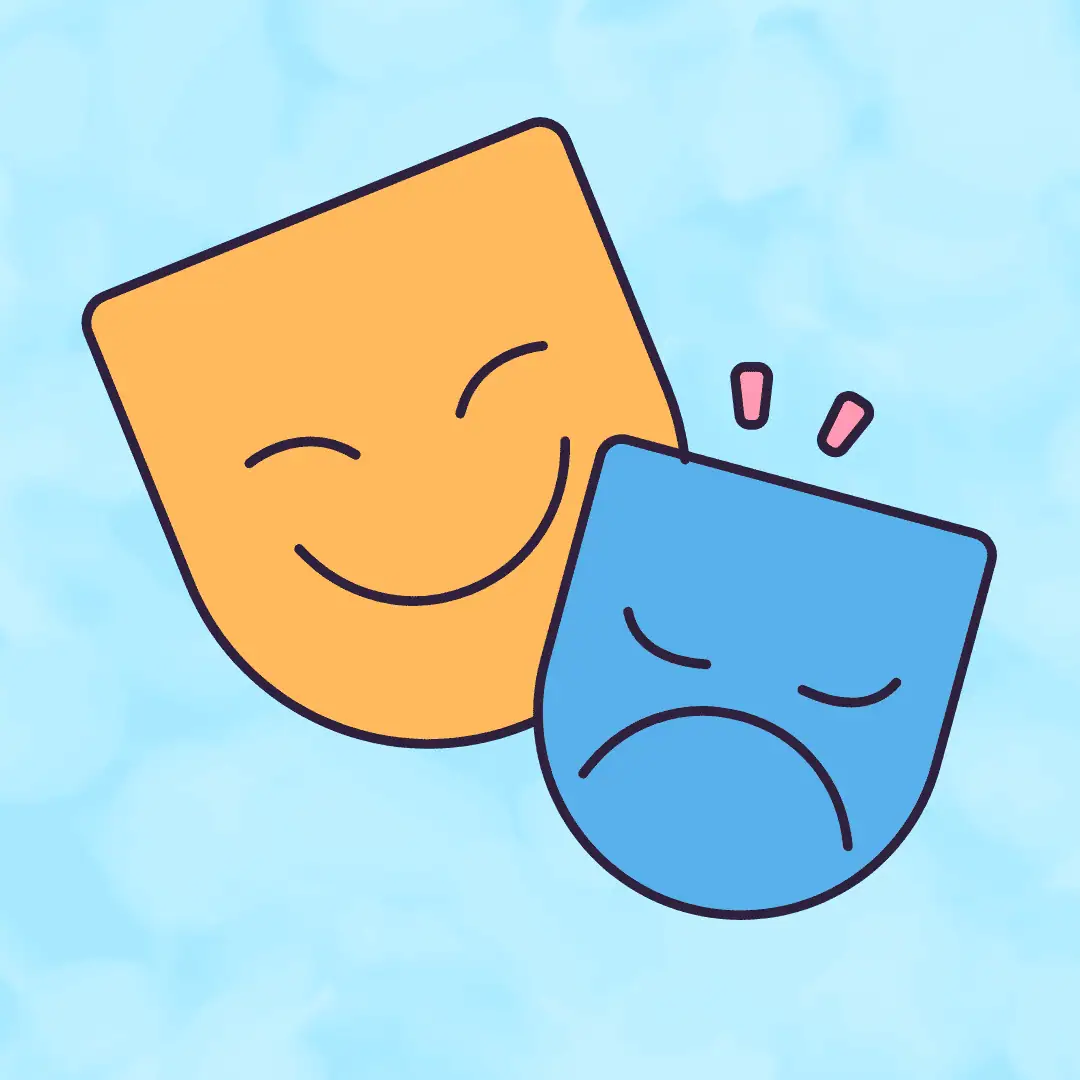
Emotional abuse is a pattern of behaviour that undermines a person’s emotional well-being, self-worth, and sense of safety. Unlike physical abuse, it often occurs subtly—through words, silence, control, or manipulation.
Emotional abuse is about power and control, not conflict.
It can occur in:
Romantic or marital relationships
Families
Friendships
Workplaces
Authority-based relationships
Emotional abuse often creates inner confusion rather than obvious fear. Some people do not realise they are being emotionally harmed until the effects accumulate.
Constant self-doubt or second-guessing
Feeling “not good enough” no matter what you do
Anxiety or fear around a specific person
Guilt or shame without clear reason
Emotional numbness or confusion
Apologising excessively
Avoiding conflict at all costs
Walking on eggshells
Withdrawing from friends or family
Losing touch with personal needs or opinions
Emotional abuse can take many forms, and individuals may experience more than one type simultaneously.
Name-calling, humiliation, yelling, sarcasm, or ridicule that damages self-esteem.
Denying or twisting reality in ways that make you doubt your memory, feelings, or sanity.
Monitoring behaviour, restricting choices, using guilt, fear, or obligation to control actions.
Consistent lack of emotional responsiveness, affection, or validation.
Discouraging or preventing contact with friends, family, or support systems.
Using silence or emotional withdrawal as punishment or control.
The impact of emotional abuse often extends beyond the relationship itself.
Common effects include:
Anxiety and chronic self-doubt
Depression or emotional numbness
Low self-esteem and loss of identity
Difficulty trusting others
Hyper-vigilance or people-pleasing
Trauma responses or emotional exhaustion
Many people struggle to label emotional abuse because:
There are no visible injuries
The abuse is inconsistent or subtle
Positive moments coexist with harm
Cultural or family norms normalise control
Survivors are told they are “too sensitive”
Fear of expressing needs
Constant self-silencing
Feeling controlled or diminished
Unequal emotional power
Emotional safety
Respect for boundaries
Open communication
Mutual accountability
Healing from emotional abuse is a gradual process that involves rebuilding self-trust, understanding your experiences, and creating emotional safety. Recovery often begins with recognising abusive patterns, validating your feelings, and reconnecting with your sense of self.
Helpful steps may include:
If it feels safe to do so, some people begin healing through small, supportive steps.
Helpful starting points may include:
Journaling to validate your experiences
Reconnecting with trusted people
Learning about emotional boundaries
Practising self-compassion
Reducing self-blame
You feel confused, anxious, or emotionally drained
Self-doubt affects daily life
You feel stuck or unsafe emotionally
Past emotional abuse still impacts you
You want clarity without pressure
At Manospandana, emotional abuse counselling focuses on emotional safety, clarity, and empowerment.
Therapy helps individuals:
Understand abusive patterns without self-blame
Rebuild confidence and self-worth
Develop emotional boundaries
Reduce anxiety and emotional overwhelm
Reconnect with their inner voice
Emotional abuse often thrives in silence and self-doubt. Learning about it is not about blaming or labelling—it’s about protecting your emotional well-being.
If something feels wrong, your experience deserves attention and care.
Yes. Emotional abuse can have long-lasting psychological effects.
Yes. Impact matters more than intent.
Emotional abuse signs include constant self-doubt, feeling controlled, being criticised or belittled, walking on eggshells, emotional confusion, isolation, and feeling “not good enough.”
Examples include gaslighting, manipulation, silent treatment, controlling behaviour, constant criticism, emotional neglect, and isolating someone from support systems.
Emotional abuse can lead to anxiety, depression, low self-esteem, emotional numbness, trust issues, and difficulty forming healthy relationships.
Emotional abuse is often subtle and inconsistent. It may include moments of kindness along with harm, making individuals question their own experiences.
Healing involves understanding abusive patterns, rebuilding self-worth, setting boundaries, reconnecting with support systems, and seeking professional counselling when needed.
Yes. Prolonged emotional abuse can lead to trauma responses such as hypervigilance, anxiety, emotional shutdown, and difficulty trusting others.
 Optimized by Seraphinite Accelerator