

Grief is a natural response to loss—but it is often misunderstood, rushed, or silenced. While grief is most commonly associated with death, it can also arise from many other life changes that deeply affect us.
This guide explains what grief really is, its common symptoms, stages and types of grief, and healthy ways to cope, while also helping you understand when professional support may be helpful.
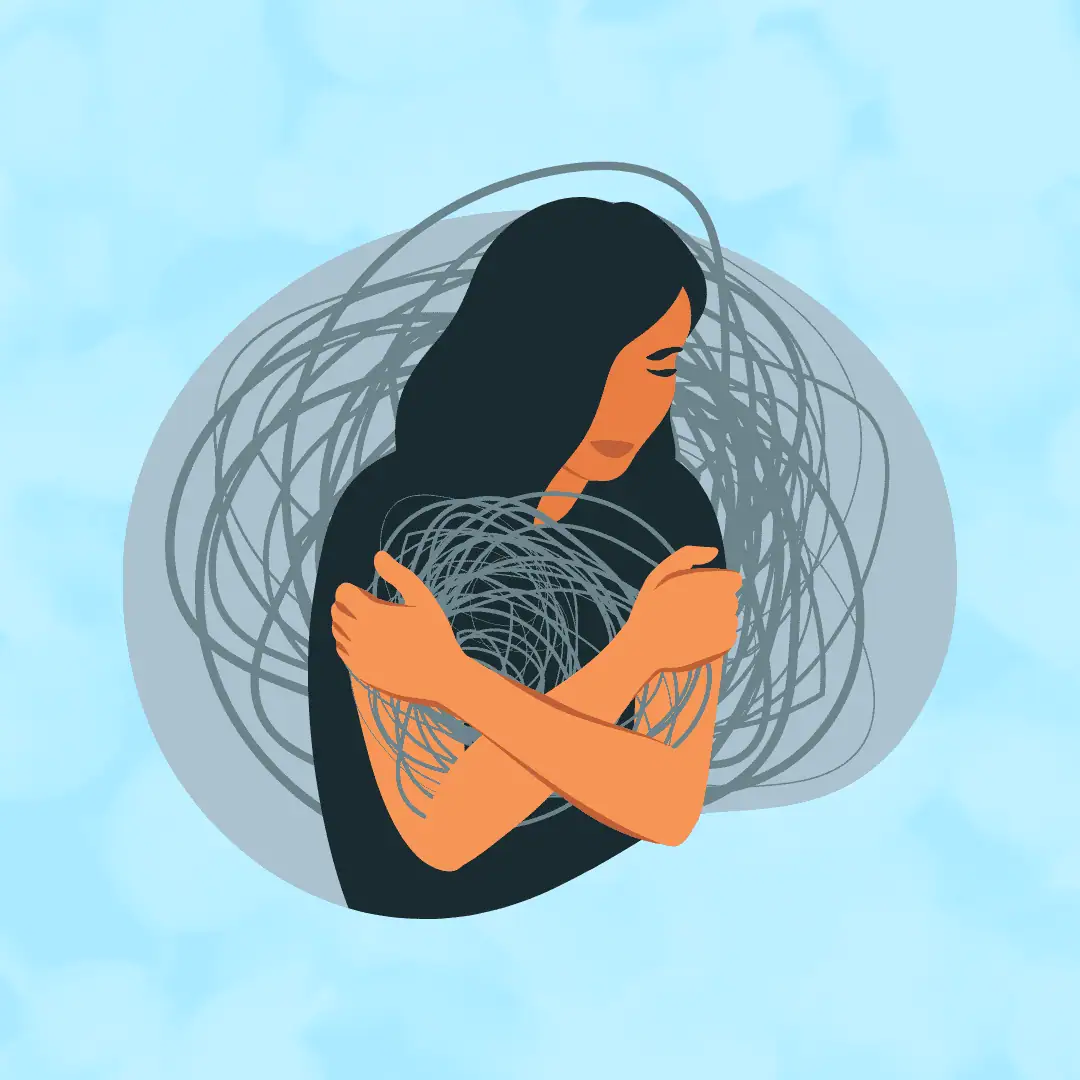
Grief is the emotional response to losing someone or something meaningful. It can affect emotions, thoughts, body, behaviour, and relationships.
Grief is not:
A weakness
A mental illness
A failure to cope
It is a human response to attachment and loss.
Grief can show up in many forms, sometimes unexpectedly.
Deep sadness or longing
Emotional numbness
Anger or frustration
Guilt or regret
Anxiety or fear
Fatigue or low energy
Changes in sleep or appetite
Body aches or heaviness
Weakened immunity
Difficulty concentrating
Forgetfulness or confusion
Withdrawal from others
Loss of motivation or interest
One commonly referenced model of grief describes five emotional states. Not everyone experiences all of them, and they do not occur in a fixed order.
1. Denial
Difficulty accepting the reality of the loss; emotional numbness or disbelief.
2. Anger
Feelings of frustration, resentment, or helplessness—often directed inward or outward.
3. Bargaining
“ If only…” thoughts and attempts to regain control or make sense of the loss.
4. Depression
Deep sadness, withdrawal, or emotional heaviness as the reality of loss settles in.
5. Acceptance
Acknowledging the loss and learning to live alongside it—not forgetting, but adapting.
Many forms of grief are invisible or unacknowledged, yet deeply impactful.
People grieve after:
Breakups or divorce
Emotional distance from loved ones
Miscarriage or infertility
Loss of health or identity
Job loss or financial instability
Loss of future plans or expectations
Grief can take different forms depending on circumstances and emotional processing.
Intense emotional pain shortly after a loss.
Grief that remains intense and disabling over a long period.
Grief experienced before an expected loss (e.g., terminal illness).
Grief that is not socially acknowledged or supported.
Grief experienced within families or communities.
Suppressing emotions
Isolating completely
Avoiding reminders indefinitely
Using substances to numb pain
Rushing the healing process
Allowing emotions without judgment
Talking about the loss when ready
Maintaining gentle routines
Honouring memories meaningfully
Seeking emotional support
Some people find relief through self-guided practices, especially with adequate support.
Helpful strategies include:
Journaling emotions and memories
Mindfulness or grounding exercises
Creative expression (art, music, writing)
Gentle physical movement
Staying connected with supportive people
Grief feels unbearable or isolating
Daily functioning is affected
Emotions feel stuck or overwhelming
You feel pressured to “move on”
Grief triggers anxiety or depression
Loss reactivates past trauma
At Manospandana, grief counselling focuses on compassion, emotional safety, and personal meaning.
Therapy helps you:
Express grief without pressure
Make sense of complex emotions
Reduce emotional isolation
Gradually restore balance and routine
Learn to live alongside loss with less pain
Grief is a reflection of love, attachment, and meaning. While it can feel lonely and overwhelming, you do not have to carry it alone.
There is no fixed timeline. Grief changes over time, but it does not disappear completely.
Yes. These are common grief responses.
Yes. Therapy can help process grief even years later.
 Optimized by Seraphinite Accelerator