
Anxiety is one of the most common mental health concerns worldwide. While occasional worry or nervousness is a natural response to stress, persistent anxiety can interfere with daily functioning, relationships, and overall well-being.
This comprehensive guide explains what anxiety is, its symptoms, common causes, different types of anxiety disorders, and effective management and treatment options—helping you understand when professional support may be helpful.
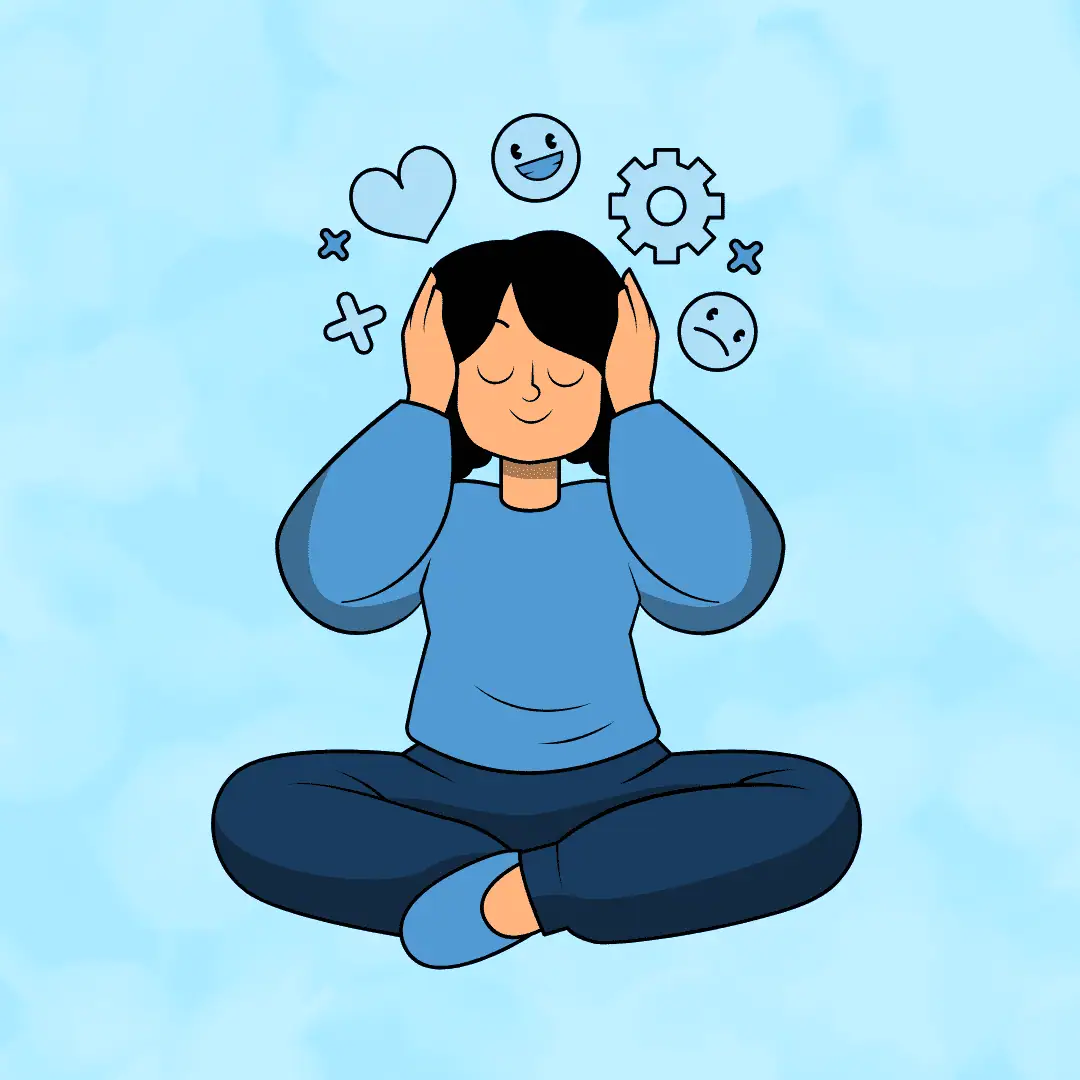
Anxiety is a natural emotional response to perceived danger, uncertainty, or stress. It prepares the body for action by triggering alertness and caution.
However, when anxiety becomes intense, excessive, persistent, or disproportionate to the situation, it may develop into an anxiety disorder—impacting emotional balance, physical health, and quality of life.
Anxiety can affect people of all ages and backgrounds and may show up differently from one person to another.
Anxiety symptoms are not limited to worry alone. They often involve a combination of emotional, physical, cognitive, and behavioural signs.
Excessive or uncontrollable worry
Racing thoughts or constant overthinking
Fear of losing control
Difficulty concentrating
Anticipating worst-case scenarios
Rapid heartbeat or palpitations
Muscle tension or body aches
Shortness of breath
Sweating or cold hands
Dizziness or light-headedness
Stomach discomfort or nausea
Fatigue or sleep disturbances
Avoiding certain people, places, or situations
Restlessness or inability to relax
Procrastination due to fear
Reassurance-seeking behaviours
Anxiety usually develops due to multiple interacting factors, rather than a single cause.
Genetic vulnerability
Brain chemistry imbalances
Hormonal fluctuations
Chronic stress
Perfectionism
Low self-esteem
Trauma or unresolved emotional experiences
Work or academic pressure
Relationship difficulties
Financial stress
Major life changes
Substance use or withdrawal
Anxiety disorders are classified based on how symptoms present and what triggers them.
Persistent, excessive worry about everyday matters, often accompanied by fatigue, tension, and difficulty relaxing.
Sudden and intense panic attacks involving chest discomfort, breathlessness, dizziness, and fear of losing control.
Fear of being judged, embarrassed, or humiliated in social or performance situations.
Intense fear of particular objects or situations such as heights, animals, flying, or enclosed spaces.
Avoidance of open or crowded places due to fear of escape being difficult.
Persistent worry about having a serious illness despite medical reassurance.
Excessive fear or distress when separated from loved ones (seen in both children and adults).
Intrusive thoughts (obsessions) and repetitive behaviours (compulsions) performed to reduce anxiety.
Anxiety-related symptoms following traumatic experiences, including flashbacks and avoidance.
Diagnosis typically involves:
Clinical interviews
Psychological assessments
Review of symptom duration, intensity, and impact
Effective anxiety management usually involves a combination of therapeutic, lifestyle, and emotional strategies.
Therapy helps individuals:
Understand anxiety triggers
Modify unhelpful thought patterns
Learn grounding and regulation techniques
Reduce avoidance behaviours
Build emotional resilience
Approaches such as CBT, mindfulness-based therapy, ACT principles, and exposure-based strategies are commonly used.
In moderate to severe cases, psychiatrists may prescribe medication to manage symptoms. Medication is often most effective when combined with therapy.
Regular physical activity
Balanced nutrition
Consistent sleep routines
Limiting caffeine and alcohol
Mindfulness and relaxation practices
Supportive relationships, open communication, and safe emotional expression significantly aid recovery.
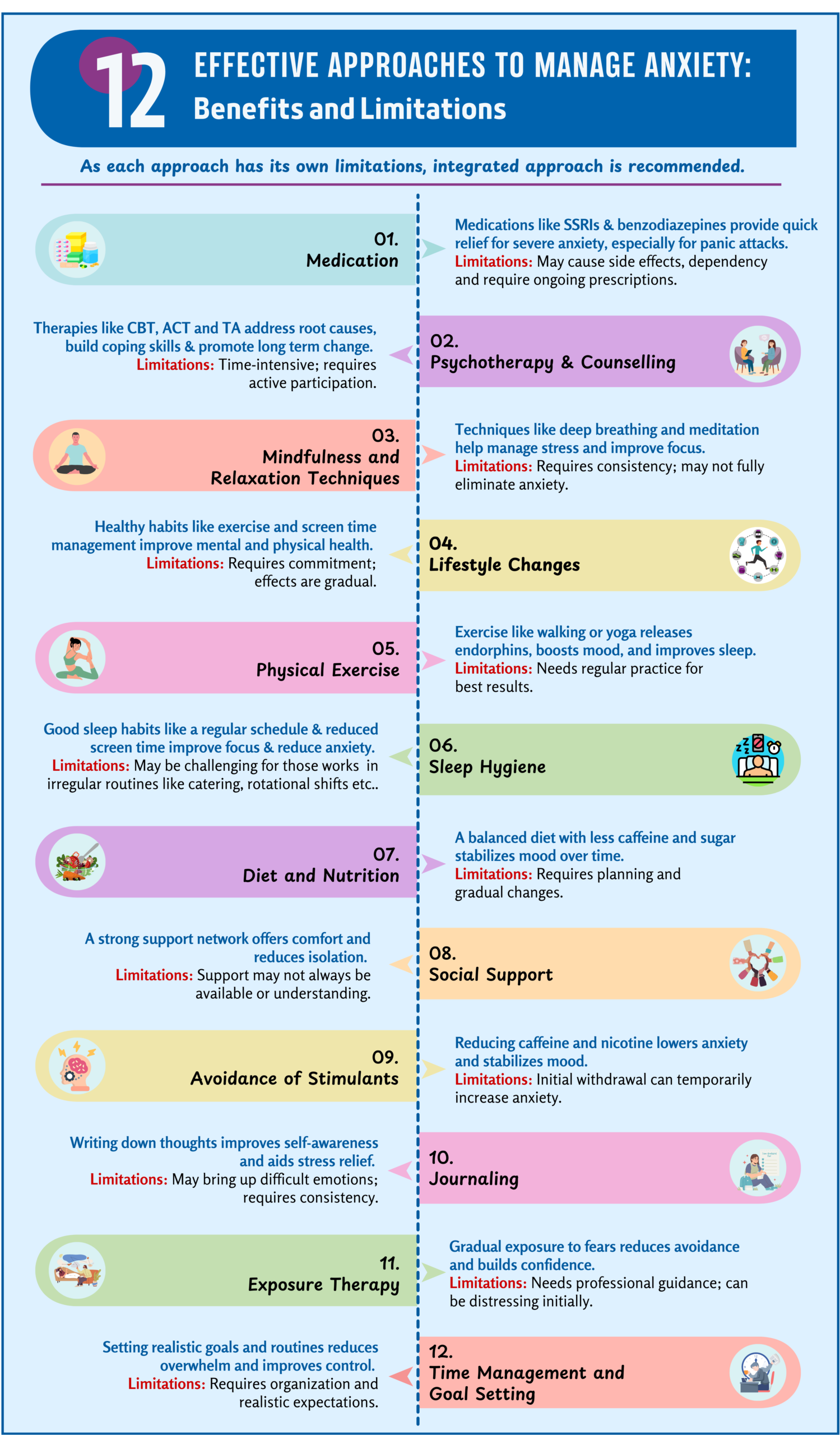
Managing anxiety is not about relying on a single solution. Different strategies work in different ways—and each comes with its own strengths and limitations. For long-term emotional balance, an integrated and personalised approach is often the most effective.
This guide explains what anxiety is, its symptoms, causes, types, and effective management strategies—while also helping you understand how to overcome anxiety and when professional support may be helpful.
Why medication may offer quick relief but is not a standalone solution
How psychotherapy and counselling address root causes and build long-term coping skills
The role of mindfulness, relaxation, and lifestyle changes in regulating anxiety
Why exercise, sleep hygiene, nutrition, and social support matter for emotional health
How approaches like journaling, exposure therapy, and goal setting support resilience
Why no single strategy works for everyone
Each approach plays a different role in anxiety management, and effectiveness increases when strategies are combined thoughtfully.
Learning how to overcome anxiety takes time, patience, and the right support system. With the right strategies and guidance, it is possible to regain emotional balance and confidence.
To make this resource easy to save or share, you can download the infographic as a PDF:
(Ideal for personal reference, sharing with loved ones, or revisiting during anxious moments.)
While self-help strategies are valuable, persistent or overwhelming anxiety often requires professional guidance.
At Manospandana, anxiety counselling focuses on:
Understanding your unique anxiety patterns
Combining evidence-based therapy with practical coping tools
Creating a personalised, sustainable management plan
At Manospandana, anxiety counselling focuses on empathetic, evidence-based, and personalised care.
Support is available through:
In-person anxiety counselling in Bangalore
Online therapy for clients across India and worldwide
Anxiety can feel exhausting and isolating—but it is manageable and treatable. With the right understanding, tools, and professional support, individuals can regain emotional balance and live more confidently.
If anxiety is affecting your quality of life, reaching out for help is a meaningful step forward.
Anxiety becomes a mental health condition when it is persistent, excessive, and interferes with daily life.
Mild anxiety may reduce, but ongoing anxiety often benefits from structured support.
Yes. Therapy is one of the most effective treatments for long-term anxiety management.
No. Many individuals benefit from therapy alone.
Overcoming anxiety naturally often involves a combination of lifestyle changes and psychological strategies. Practices such as mindfulness, regular exercise, healthy sleep routines, journaling, and breathing techniques can help regulate stress responses. For persistent anxiety, counselling or psychotherapy can provide structured support.
Common anxiety symptoms include excessive worry, racing thoughts, restlessness, muscle tension, rapid heartbeat, sleep disturbances, difficulty concentrating, and avoidance behaviours. These symptoms may vary in intensity and can affect both emotional and physical well-being.
Mild anxiety related to temporary stress may reduce once the situation changes. However, persistent or severe anxiety often requires active management through therapy, lifestyle changes, or professional support.
Yes. Anxiety is highly treatable. Many individuals experience significant improvement through counselling, psychotherapy (such as CBT), mindfulness-based approaches, and lifestyle adjustments. In some cases, medication may also be recommended.
Anxiety can develop due to a combination of biological, psychological, and environmental factors. These may include genetic vulnerability, chronic stress, trauma, perfectionism, major life changes, or ongoing personal challenges.
Professional support may be helpful if anxiety persists for several weeks, interferes with daily functioning, disrupts sleep, affects work or relationships, or causes frequent panic or distress.
Yes. Evidence-based therapies such as Cognitive Behavioural Therapy (CBT), mindfulness-based therapy, and acceptance-based approaches are widely proven to reduce anxiety symptoms and improve emotional resilience.
Anxiety may not always disappear completely, but it can be effectively managed and significantly reduced. With the right coping skills, therapy, and lifestyle adjustments, many individuals learn to handle anxiety in healthier ways and live balanced lives.
 Optimized by Seraphinite Accelerator