

Loneliness is one of the most misunderstood emotional experiences. You can feel lonely even when surrounded by people, active on social media, or constantly busy. It’s not about how many people are around you—it’s about how connected you feel.
Loneliness is common, human, and deeply emotional. Understanding it is the first step toward easing its impact and rebuilding connection.
This guide explores what loneliness really is, its common causes and signs, different types of loneliness, and healthy ways to cope, including when professional support can help.
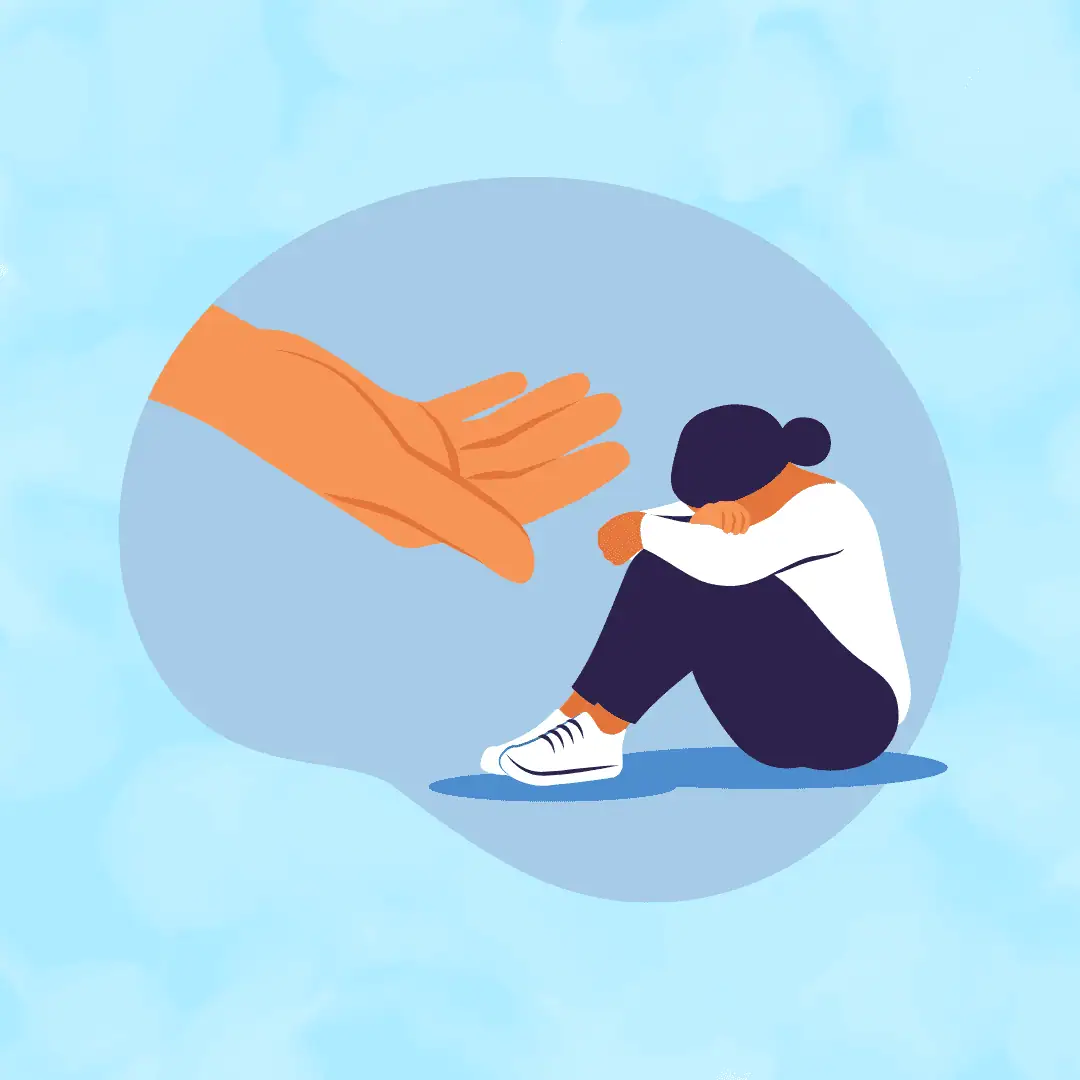
Loneliness is the emotional distress that comes from a gap between the connection you desire and what you currently experience. It’s not the same as being alone.
You can:
Be alone and feel peaceful
Be surrounded by people and still feel lonely
Yes. Loneliness is a universal human experience, not a weakness or personal failure.
It often appears during:
Life transitions
Periods of stress or uncertainty
Relationship changes
Emotional exhaustion
Loneliness can develop for many reasons, often without warning.
Moving to a new city or country
Breakups, separation, or divorce
Loss of a loved one
Remote work or social isolation
Chronic stress or burnout
Low self-esteem or fear of rejection
Major life transitions (college, parenthood, retirement)
Understanding the type of loneliness you’re experiencing can help clarify what kind of support may help.
Missing a close, emotionally intimate connection—often felt after loss or relationship changes.
Feeling disconnected from a broader social circle or community.
A deeper sense of disconnection from meaning, purpose, or belonging in life.
Loneliness doesn’t always look obvious.
Common signs include:
Feeling misunderstood or unseen
Persistent sadness or emptiness
Withdrawing from social interactions
Overusing social media to feel connected
Changes in sleep or energy levels
Difficulty concentrating
Feeling disconnected from yourself
It’s important to distinguish the two.
Being alone is a physical state
Loneliness is an emotional experience
Solitude can be restorative. Loneliness, however, often feels painful, unwanted, and draining.
When loneliness continues over long periods, it can affect both mind and body.
Anxiety and depression
Low self-worth
Emotional numbness
Sleep disturbances
Increased stress responses
Coping with loneliness isn’t about forcing yourself to socialise more. It’s about building meaningful connection—externally and internally.
Helpful approaches may include:
Acknowledging loneliness without shame
Reconnecting with supportive people
Engaging in activities aligned with your values
Limiting passive social media use
Creating small, consistent routines
Practising self-compassion
Sometimes loneliness persists even after making changes. This may happen when loneliness is connected to:
Anxiety or fear of rejection
Low self-worth
Past emotional wounds or grief
Long-term isolation
Life transitions that feel overwhelming
Counselling provides a safe, non-judgmental space to explore loneliness without pressure or labels.
At Manospandana, loneliness counselling helps individuals:
Understand emotional patterns behind loneliness
Address self-doubt and fear of connection
Process loss, transitions, or emotional distance
Rebuild a sense of self-connection
Develop healthier ways of relating to others
Loneliness is not a permanent state, and it does not define your worth. It’s a signal that connection—within yourself or with others—needs care and attention.
Understanding loneliness is not about fixing yourself. It’s about listening to what your emotions are asking for.
Support is available, and connection can be rebuilt—step by step.
Yes. Emotional disconnection can occur even when someone is not physically alone.
No. Loneliness is an emotional experience, though it can contribute to mental health concerns if prolonged.
Yes. Many people find online therapy effective for exploring emotional connection and self-understanding.
 Optimized by Seraphinite Accelerator