
Most professionals do not walk into a workplace expecting emotional exhaustion. People begin their careers hoping for growth, financial stability, recognition, meaningful relationships, and a sense of purpose. Work often becomes a major part of identity, ambition, and self-worth.
However, not every workplace remains emotionally healthy.
Some workplaces slowly become psychologically unsafe environments where fear, pressure, manipulation, unhealthy competition, criticism, and emotional exhaustion become part of everyday functioning. What makes this difficult is that toxic workplaces rarely look toxic in the beginning. They often appear “high performing,” “demanding,” “fast-paced,” or “results-oriented.”
Over time, employees start normalizing stress that is actually damaging their emotional well-being.
Many corporate employees silently experience:
At some point, the question slowly shifts from:
“Why is work stressful?”
to
“Why do I no longer feel like myself?”
Understanding the psychological patterns operating inside toxic workplaces can help professionals recognize what is happening internally instead of blaming themselves for “not coping well enough.”
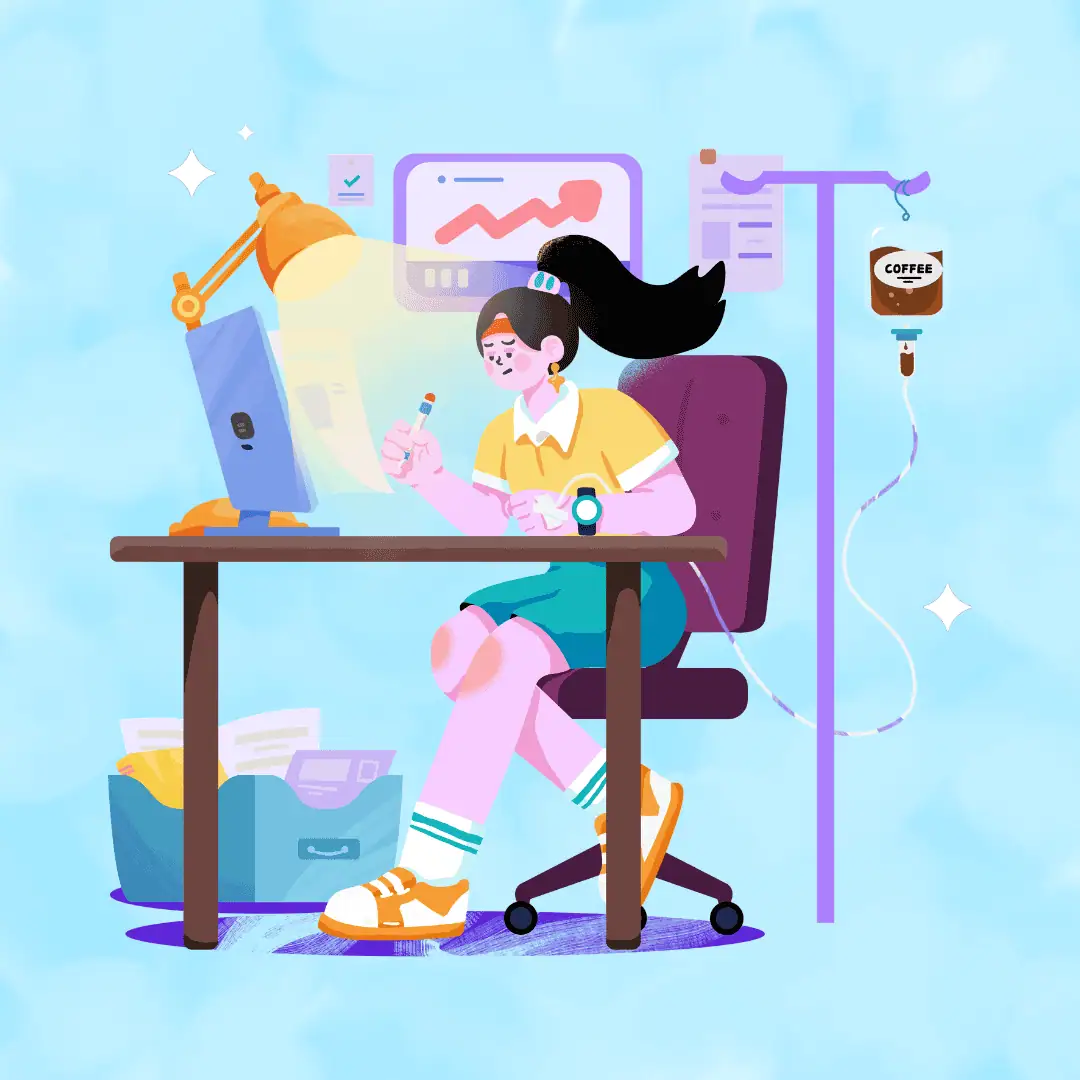
A healthy workplace may involve pressure, deadlines, accountability, and performance expectations. Those realities alone do not make a workplace toxic.
Toxicity begins when employees repeatedly experience:
When people constantly feel watched, judged, blamed, ignored, or emotionally unsafe, the nervous system gradually shifts into a survival state. Employees may continue functioning professionally while internally operating from anxiety, emotional suppression, hypervigilance, or helplessness.
This is why toxic workplaces often create not only burnout, but also:
One useful psychological perspective explains how unhealthy workplaces often pull employees into repetitive emotional roles.
In toxic environments, people may unknowingly begin functioning in one of three patterns:
For example:
Over time, these patterns become emotionally exhausting because people stop responding calmly and begin reacting from stress and survival.
An employee may internally start believing:
This creates emotional instability even when the employee appears professionally functional from the outside.
In emotionally unhealthy workplaces, communication often becomes indirect and psychologically confusing.
Employees may repeatedly experience situations where:
For example:
These interactions create emotional confusion because the spoken message and the emotional message do not match.
As a result, employees begin overthinking conversations, doubting themselves, and emotionally overworking in order to gain approval, safety, or recognition.
This is one reason some professionals stay trapped in unhealthy work environments for years. They keep hoping:
“If I work harder, communicate better, or prove myself more, things will improve.”
Many corporate employees learn very early that some emotions are considered acceptable at work while others are silently discouraged.
For example:
Because of this, employees slowly disconnect from authentic emotional expression.
A person who actually feels hurt may appear irritated.
Someone experiencing fear may become emotionally numb.
A deeply exhausted employee may continue smiling and functioning while internally collapsing.
Over time, this emotional suppression creates psychological strain.
The body often begins expressing what the mind is trying to suppress through:
This is why many professionals say:
“I do not even know what I feel anymore.”
Many professionals unknowingly carry old emotional conditioning into workplace relationships.
Some people grow up learning messages such as:
These patterns can later influence workplace behavior in powerful ways.
Such employees may:
From the outside, they may appear highly responsible and committed. Internally, however, they may be functioning from fear, guilt, or emotional survival.
This is important to understand:
Many employees staying in toxic workplaces are not weak. They are often operating from deeply learned survival patterns.
Choice Theory Based Reality Therapy explains that human beings are continuously trying to fulfill important psychological needs through their choices and relationships.
At work, employees are often trying to meet needs such as:
This explains why leaving a toxic workplace is emotionally difficult even when the environment is clearly unhealthy.
For example:
When these important psychological needs remain repeatedly frustrated, emotional distress intensifies.
The employee slowly shifts from intentional decision-making to survival-based decision-making.
This is where people begin sacrificing sleep, relationships, emotional health, and self-respect simply to emotionally survive the workplace.
One of the biggest misconceptions about toxic workplaces is:
“If the environment is unhealthy, why do people not simply leave?”
The reality is emotionally far more complex.
Toxic workplaces gradually reduce clarity, confidence, and self-trust.
Employees may begin questioning themselves:
When emotional exhaustion becomes chronic, decision-making itself becomes difficult.
Therapy is not only about stress reduction. It helps employees understand the deeper emotional patterns influencing their workplace experiences, reactions, and choices.
A Transactional Analysis-informed approach can help employees:
Choice Theory Based Reality Therapy helps professionals:
Most importantly, therapy helps employees move out of emotional survival mode.
When people regain emotional awareness, clarity, and self-trust, they become more capable of:
At Manospandana, our individual counselling and corporate counselling services help professionals understand workplace stress, burnout patterns, emotional exhaustion, and healthier coping strategies.
Recovery from a toxic workplace does not always begin with resignation. Sometimes it begins with awareness.
Employees often start healing when they gradually learn to:
Work should challenge people professionally, not damage them emotionally.
A toxic workplace affects far more than productivity. It slowly impacts confidence, emotional health, relationships, identity, and overall quality of life.
Many professionals silently normalize emotional suffering because they believe endurance alone defines professionalism.
But emotional well-being is not weakness.
Psychological safety is not luxury.
And recognizing unhealthy workplace patterns is not overreaction.
It is awareness.
Sometimes the first step toward healing is simply realizing:
“The environment affecting me is unhealthy, and my emotional responses make sense.”
That awareness can become the beginning of healthier choices, stronger boundaries, emotional recovery, and a more sustainable professional life.
You deserve a workplace that supports your mental well-being, not one that silently drains it.
If work stress is affecting your peace, relationships, or emotional health, professional support can help.